About Us

Syndicate Management

Investing at Lloyd's

tax-corporate-services

News

About Us
Syndicate Management
Investing at Lloyd's
tax-corporate-services
News

By Andreas Wichmann, Corporate Capital Business Development Director at Argenta Private Capital
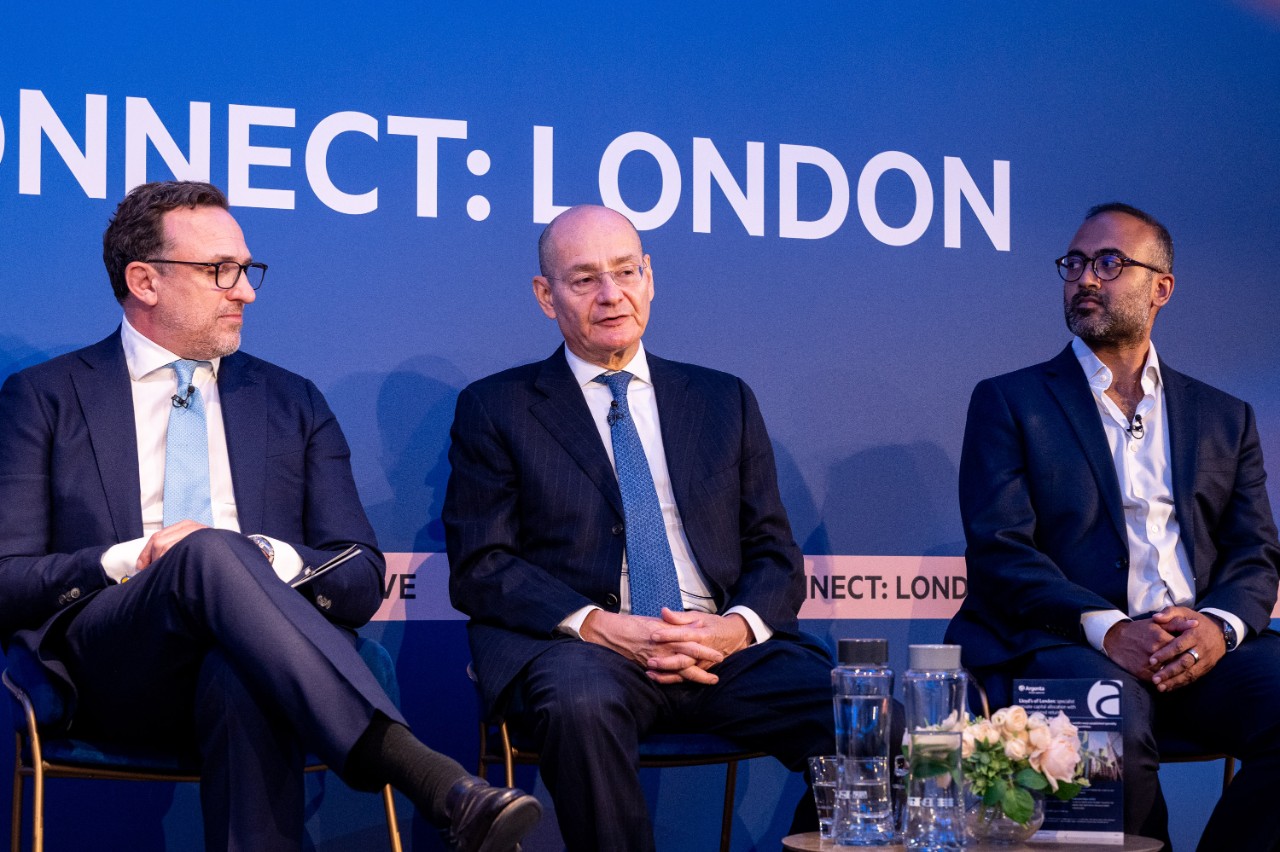
As private credit comes under increasing public scrutiny, it raises a broader question: where else might investors turn? At the FT's Private Credit Connect conference in April, the event brought together some of the most influential minds in institutional investment, including pension and sovereign wealth funds, as well as leading global asset managers.
While the agenda was broad, a central theme emerged: in an environment of compressed spreads, concerns around liquidity, rising complexity, and a serious abundance of capital in alternatives, where should investors seeking meaningful, quantifiable returns look next?
For Argenta Private Capital Limited (“APCL”), the answer is clear: the specialist underwriting market that is Lloyd's of London.
Private credit has matured rapidly. Once a niche asset class, it has entered the mainstream and even public consciousness (with the inevitable set of both positive and concerned headlines as a result).
Mainstream status brings a familiar set of challenges. Spreads tighten. Strategies converge.
The low correlations that once made the asset class attractive begin to creep upward as more money pursues similar opportunities and investments become interconnected.
The conversations at Private Credit Connect reflected this honestly. Allocators are not abandoning private credit, but they are asking harder questions about where genuine diversification and attractive returns still exist.
Insurance-linked investment at Lloyd's offers exactly that. Returns are generated by underwriting results, technological innovation, claims experience, insurance pricing cycles, and catastrophe events, not corporate earnings and volatility in capital markets.
Insurance returns tend to be less influenced by the macroeconomic factors such as interest rate movements, leverage, or refinancing risk. That distinction is important in a world where most "alternative" assets have quietly become correlated to the same broader economic trends.
Argenta's own data reinforces the point. Over the period since 2006, the correlation between Argenta-advised client returns and the S&P 500 has been just 0.03. Against US aggregate bonds, it is -0.08. Against private debt, it is effectively zero over the long run.
This is supported by actual performance during periods of macroeconomic strain, including the global financial crisis, where the FTSE 100 fell by around 31% and our clients generated a healthy return on capital of 18%, Covid, and several significant insurance market events.
At the Private Credit Connect conference in April, I joined a panel at the conference on esoteric asset classes and their path into the mainstream.
The framing, much as we would like to deny it, was appropriate. Lloyd's has long been considered too complex for much corporate capital, and the shadow of the losses of the 1990s lingers for some.
However, for disciplined investors, the complexity presents opportunity.
The Lloyd’s market is projected to grow to £67.4 billion in gross written premium in 2026. It underwrites risks that other financial markets cannot efficiently price or cover in meaningful size: specialty lines, marine, cyber, space, political risk, and a broad range of catastrophe and non-catastrophe exposures that are simply unavailable through traditional insurance-linked securities funds or cat bonds.
The complexity, combined with Argenta’s expertise and market presence dating back to 1962, creates a unique opportunity. At a time when much of the adviser market is converging around increasingly generic portfolio solutions, the Lloyd’s market distinguishes itself.
Each syndicate operates as a diversified platform, underwriting a range of risks. Our research team evaluates and makes critical syndicate recommendations based on underwriter skill, past performance, and their long-term strategy. In 2025, the difference in average syndicate profit margins between the top and bottom quartiles was 32.7%. This variability highlights the opportunity to outperform the market with the right advice.
APCL then suggests tailored portfolios that participate in selected syndicates based on each client’s risk appetite and investment goals.
It is important to acknowledge the current stage of the insurance cycle. After several years of exceptional pricing conditions and ‘market hardening’, the market is now entering the early stages of softening. Reinsurance pricing has declined across property, casualty, and specialty lines, with reductions generally in the single to low double-digit range.
Yet the picture is considerably more nuanced. The market’s recent success was structural, not just cyclical, and built on the foundations of a review by Lloyd’s which removed the least profitable syndicates and classes from the market. Lloyd's emphasis on underwriting discipline has raised the quality of the book.
Returns on capital at Lloyd's have exceeded 20% since 2022, and profitability remains strong even as conditions revert to long-term averages.
This reflects the stability of a mature, well-governed market. For investors with a long-term perspective, entering a softening market under experienced management has historically been rewarding.
Argenta has been connecting private capital to Lloyd's since 1962. Today, the firm manages approximately £3.25 billion of client capital, supporting £5.2 billion in underwriting premiums, with a 17.1% average annual net return on capital for investors since 2005.
Crucially, Argenta has continued to develop our own proprietary range of flexible access structures. The goal is to make Lloyd’s investment opportunities and returns accessible to a broader range of investors.
The message that resonated at Private Credit Connect was that this is something genuinely different: a class of business that is attractive but underutilised. To our peers in the private credit sector and investors looking for allocation, we offer a diversified, lowly correlated return stream with a proven long-term track record.
In a market searching for genuine alternatives, that remains a compelling proposition.

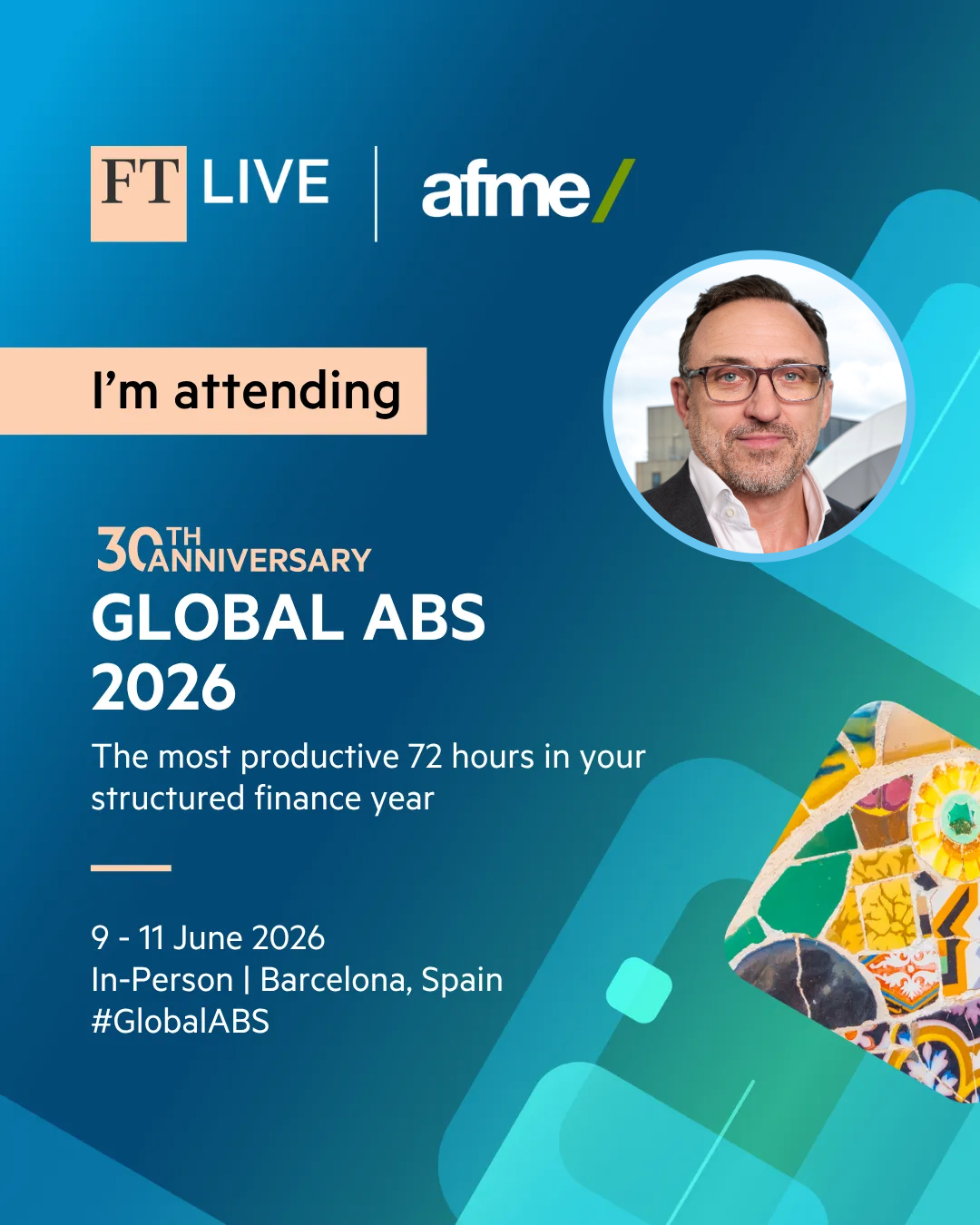
I am looking forward to attending the FT Live Global ABS Conference in Barcelona and continuing the conversation. Happening 9th to 11th June 2026, please don't hesitate to contact me if you'd like to meet at the conference.
Business Development Corporate Capital Director